
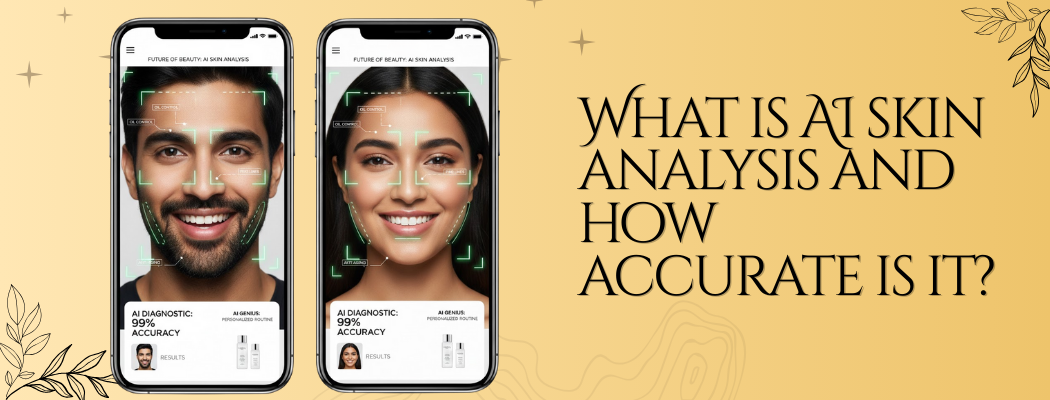
The beauty and skincare industry has undergone a remarkable transformation with the integration of artificial intelligence technology. Consumers no longer need to guess which products suit their unique skin needs. Through advanced face skin analysis powered by AI, personalized skincare recommendations have become accessible to everyone with a smartphone. Major brands like oreal AI Skin Care Solutions have pioneered this technological revolution, bringing dermatologist-level insights directly to consumers.
Understanding AI Skin Analysis Technology
AI skin analysis uses sophisticated algorithms and machine learning to evaluate skin conditions through digital images. When you upload a selfie or use your device's camera, the technology examines multiple skin parameters, including texture, tone, hydration levels, wrinkles, pores, and blemishes.
The process works through computer vision—teaching machines to "see" and interpret visual information similarly to how humans do. However, AI systems can detect subtle patterns and variations that might escape the naked eye, even that of trained professionals.
Modern face skin analysis platforms have been trained on millions of facial images, allowing them to recognize diverse skin types, tones, and conditions across different demographics. This extensive training data enables the AI to provide increasingly personalized and accurate assessments.
How Face Skin Analysis Works Step-by-Step
Understanding the mechanics behind AI-powered skin analysis helps appreciate its sophistication. The technology follows a multi-stage process:
Image Capture and Preprocessing: The journey begins when you take or upload a photo. Advanced systems guide users to capture images under optimal lighting conditions. The AI then preprocesses the image, adjusting for lighting variations and ensuring consistent analysis quality.
Feature Detection and Mapping: The algorithm identifies your facial features and maps specific zones. This facial landmark detection ensures the AI analyzes the correct areas—forehead, cheeks, nose, chin, and under-eye regions each receive focused attention.
Skin Attribute Analysis: Here's where face skin analysis becomes truly impressive. The AI simultaneously evaluates multiple characteristics, including fine lines, wrinkles, dark spots, redness, pore size, skin texture, oiliness, dryness, and overall complexion evenness.
Comparison and Scoring: Your skin attributes are compared against vast databases of skin profiles. The system generates scores for each parameter, identifying both strengths and areas needing attention.
Recommendation Generation: Based on analysis results, the AI suggests targeted products, ingredients, and routines. Systems like Oreal AI Skin Care Solutions leverage extensive product databases to match your specific needs with appropriate formulations.
The Accuracy of AI Skin Analysis
The question of accuracy naturally concerns anyone considering AI-powered skincare guidance. Research indicates that modern face skin analysis technology achieves impressive accuracy rates, often matching or approaching dermatologist assessments for many common skin concerns.
Studies examining AI skin analysis platforms have demonstrated accuracy rates between 85% and 95% for detecting conditions like acne, hyperpigmentation, and signs of aging. However, accuracy varies depending on several factors.
Image quality significantly impacts results. Clear, well-lit photos produce more reliable analyses than blurry or poorly lit images. Most professional systems, like Oreal AI Skin Care Solutions, provide guidance for optimal photo capture, improving outcome reliability.
Skin tone diversity in training data affects accuracy across different demographics. Leading platforms have invested heavily in diverse datasets, ensuring their face skin analysis works effectively for all skin tones. This commitment to inclusive AI represents a significant advancement in beauty technology.
Condition complexity also influences accuracy. AI excels at identifying visible surface conditions but may struggle with certain underlying issues requiring professional medical evaluation. For serious skin conditions, AI analysis should complement rather than replace dermatological consultation.
Benefits of Using AI for Skin Assessment
The advantages of face skin analysis extend beyond convenience, transforming how people approach skincare:
Personalization at Scale: AI makes personalized skincare accessible to millions who might never visit a dermatologist. Customized recommendations based on your unique skin profile replace generic product selection.
Consistency and Objectivity: Human assessments can vary based on experience, fatigue, or subjective interpretation. AI provides consistent evaluations using standardized criteria, reducing variability in recommendations.
Progress Tracking: Regular face skin analysis sessions create a visual timeline of your skin's evolution. Tracking improvements or identifying emerging concerns helps optimize your routine over time. Oreal AI Skin Care Solutions and similar platforms often include progress tracking features that motivate continued skincare commitment.
Accessible Expertise: Quality skin analysis was once limited to those who could afford regular dermatologist visits. AI democratizes access to sophisticated skin evaluation, making expert-level insights available regardless of location or budget.
Time Efficiency: Traditional skin consultations require appointments, travel, and waiting. AI analysis delivers results instantly, fitting seamlessly into busy lifestyles while providing immediate actionable guidance.
Oréal's Pioneering Role in AI Skincare
Oreal AI Skin Care Solutions represents the forefront of beauty technology innovation. The company has invested extensively in artificial intelligence research, partnering with technology leaders to develop sophisticated face skin analysis tools.
Their platforms combine decades of dermatological research with cutting-edge AI capabilities. By analyzing millions of skin profiles across diverse populations, oreal AI Skin Care Solutions offers recommendations grounded in both scientific research and real-world data.
The company's commitment extends beyond simple product recommendations. Their AI systems educate users about skin health, explain why certain ingredients benefit specific conditions, and help consumers make informed decisions about their skincare journey.
Limitations and Considerations
While AI skin analysis offers tremendous benefits, understanding its limitations ensures appropriate use:
Not a Medical Diagnosis Tool: Face skin analysis platforms identify cosmetic concerns but cannot diagnose medical conditions. Suspicious moles, severe acne, rashes, or other potentially serious issues require professional medical evaluation.
Technology Requirements: Accurate analysis depends on decent camera quality and proper usage. Older smartphones or poor technique can compromise results.
Privacy Concerns: Uploading facial images raises legitimate privacy questions. Reputable providers like Oreal AI Skin Care Solutions implement strong data protection measures, but users should review privacy policies and understand how their images are stored and used.
Surface-Level Assessment: AI excels at analyzing visible skin characteristics but cannot evaluate underlying factors like hormonal influences, nutritional deficiencies, or internal health conditions affecting skin appearance.
Maximizing Your AI Skin Analysis Experience
Getting optimal results from face skin analysis requires following best practices:
Optimal Photo Conditions: Take photos in natural, even lighting. Avoid harsh overhead lights or extreme shadows. Remove makeup for accurate baseline assessment. Keep your face approximately 12-18 inches from the camera.
Consistent Timing: Analyze your skin at similar times—morning after cleansing works well. Consistency helps track genuine changes rather than temporary variations from factors like sleep quality or recent meals.
Honest Information: Provide accurate details about your age, lifestyle, current products, and concerns. The more information the AI has, the better it can tailor recommendations.
Regular Reassessment: Conduct periodic analyses to monitor progress. Most experts recommend monthly reassessments when starting new routines, adjusting to quarterly check-ins once your routine stabilizes.
Patience with Recommendations: AI-recommended products and routines need time to show results. Give new approaches at least 4-6 weeks before reassessing, as skin cell turnover requires this timeframe.
The Future of AI in Skincare
The evolution of face skin analysis continues accelerating. Emerging technologies promise even more sophisticated capabilities:
Real-time Analysis: Future systems may offer continuous skin monitoring through wearable devices or smart mirrors, tracking how environmental factors and lifestyle choices impact skin health throughout the day.
Predictive Modeling: Advanced AI will predict how your skin might age based on current conditions and habits, allowing proactive rather than reactive skincare strategies.
Integration with Other Health Data: Connecting face skin analysis with nutrition tracking, sleep monitoring, and stress levels could provide holistic recommendations addressing root causes rather than just symptoms.
Enhanced Ingredient Matching: More sophisticated algorithms will better predict individual ingredient responses, minimizing trial-and-error product selection.
oreal AI Skin Care Solutions and other industry leaders continue investing in these developments, ensuring AI skincare technology grows increasingly accurate, accessible, and valuable.
Making Informed Decisions About AI Skin Analysis
Face skin analysis represents a powerful tool in modern skincare arsenals. Its accuracy, while impressive and continually improving, works best when users understand both capabilities and limitations.
For most people, AI analysis provides valuable guidance for everyday skincare decisions, product selection, and routine optimization. The technology excels at identifying common concerns and suggesting evidence-based solutions.
However, AI should complement rather than completely replace human expertise. Dermatologists bring contextual understanding, medical knowledge, and nuanced interpretation that current AI cannot fully replicate. The ideal approach combines AI's accessibility and consistency with professional consultation when needed.
Curious about what AI-powered face skin analysis could reveal about your skin? Exploring platforms like Oreal AI Skin Care Solutions offers a risk-free way to discover personalized insights that could transform your skincare approach. Consider trying an analysis to see how technology can enhance your beauty routine.
Frequently Asked Questions
Is AI skin analysis as accurate as seeing a dermatologist?
AI skin analysis achieves 85-95% accuracy for common cosmetic concerns like wrinkles, dark spots, and texture issues. However, dermatologists provide medical diagnoses, can physically examine skin, and understand complex underlying conditions. AI works best for cosmetic guidance, while dermatologists remain essential for medical skin issues.
Can AI skin analysis work for all skin tones?
Modern platforms like oreal AI Skin Care Solutions have been trained on diverse datasets, including various skin tones. However, accuracy can still vary—systems trained on more diverse data perform better across all demographics. Always choose platforms that explicitly validate their technology across different skin tones.
How often should I use face skin analysis tools?
Monthly analysis works well when establishing new routines or addressing specific concerns. Once your routine stabilizes, quarterly assessments help track long-term progress. More frequent analysis isn't necessarily better, as skin changes occur gradually over weeks.
Is my facial data safe when using AI skin analysis apps?
Reputable providers implement encryption and data protection measures. Review privacy policies carefully—look for companies that anonymize data, allow deletion requests, and clearly explain data usage. Established brands like oreal typically have robust privacy protections, but always verify before uploading images.
Can AI recommend products from any brand or just specific ones?
This varies by platform. Some AI systems, like oreal AI Skin Care Solutions, primarily recommend their own product lines, while others offer brand-agnostic suggestions. Both approaches can be valuable—brand-specific systems leverage deep product knowledge, while independent platforms offer broader options.
What's the difference between free and paid AI skin analysis tools?
Free tools often provide basic analysis with limited recommendations, sometimes focusing on specific product lines. Paid services typically offer more comprehensive assessments, detailed progress tracking, unlimited scans, and broader product suggestions. For serious skincare concerns, paid tools often justify their cost through enhanced accuracy and features.