
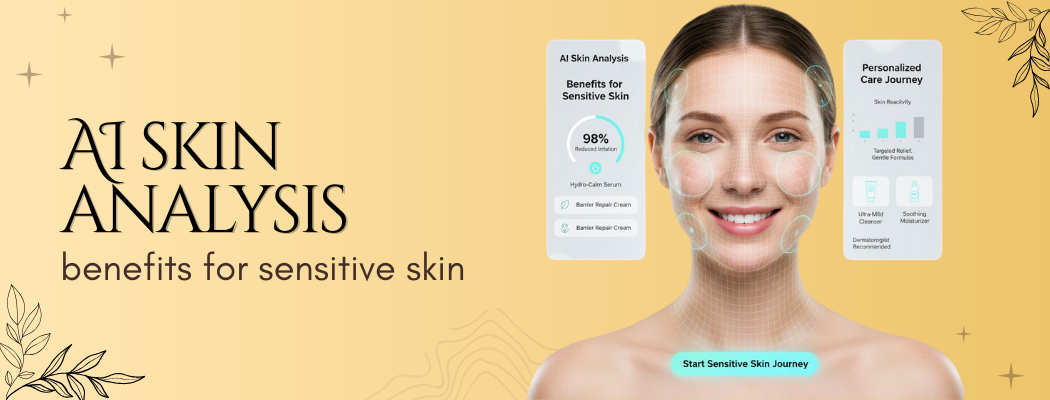
Managing sensitive skin feels like walking through a minefield. One wrong product choice can trigger redness, irritation, or breakouts that take weeks to calm down. Traditional trial-and-error approaches waste time, money and cause unnecessary discomfort. AI skin analysis offers a smarter solution, using advanced technology to understand your unique skin needs without the guesswork.
Understanding AI Skin Analysis Technology
AI skin analysis uses sophisticated algorithms and machine learning to evaluate your skin's condition through digital imaging. Advanced cameras capture high-resolution photos of your face, while artificial intelligence analyzes thousands of data points including texture, hydration levels, pore size, pigmentation, and signs of sensitivity.
Unlike subjective human assessment, AI skin analysis provides objective, consistent measurements every time. The technology has been trained on millions of skin images across different skin types, tones, and conditions. This extensive training allows AI systems to identify subtle patterns and concerns that might be invisible to the naked eye.
For people with sensitive skin, this precision matters enormously. AI can detect early warning signs of irritation, compromised skin barriers, and reactivity patterns before they become visible problems. This proactive approach helps you avoid triggers rather than simply reacting to flare-ups.
Key Benefits of AI Skin Analysis for Sensitive Skin
Personalized Product Recommendations
Generic skincare advice rarely works for sensitive skin. What soothes one person might irritate another. AI skin analysis creates truly personalized recommendations based on your specific skin profile, concerns, and reactivity patterns.
The technology cross-references your skin analysis with extensive ingredient databases to suggest products formulated for your exact needs. It identifies potentially irritating ingredients you should avoid and highlights beneficial ones that support sensitive skin health.
Ingredient Safety Screening
People with sensitive skin often react to common skincare ingredients like fragrances, essential oils, alcohol, and certain preservatives. AI skin analysis can flag these problematic ingredients in products you're considering, helping you make informed purchasing decisions.
Advanced systems maintain databases of thousands of ingredients with their irritation potential scores. When combined with your personal sensitivity profile, this creates a powerful screening tool that protects your skin from unnecessary reactions.
Tracking Progress Over Time
Sensitive skin improvements happen gradually, making progress hard to notice day-to-day. AI skin analysis provides objective measurements that track changes in redness, texture, hydration, and barrier function over weeks and months.
These detailed progress reports show which products and routines actually work for your skin. You'll have concrete data to justify continuing effective products or discontinuing ones that aren't delivering results, eliminating the guesswork from your skincare journey.
Early Problem Detection
AI algorithms can identify developing issues before they become severe. Subtle increases in redness, early signs of barrier damage, or emerging sensitivity patterns get flagged immediately, allowing you to adjust your routine proactively.
This early warning system is particularly valuable for sensitive skin prone to sudden flare-ups. Catching problems early means gentler interventions and faster recovery times compared to waiting until symptoms become obvious.
How AI Skin Analysis Improves Sensitive Skin Management
Traditional dermatology appointments provide valuable expertise but typically occur infrequently. AI skin analysis bridges the gap between professional visits, offering consistent monitoring and guidance whenever you need it.
Many AI skin analysis platforms connect with dermatologists who review your results and provide expert recommendations. This hybrid approach combines technological precision with medical expertise, ensuring you receive comprehensive care tailored to sensitive skin needs.
The technology also educates you about your skin. Instead of blindly following advice, you learn what specific concerns you have, why certain ingredients help or harm, and how environmental factors affect your sensitivity. This knowledge empowers better long-term skincare decisions.
AI skin analysis eliminates the expensive trial-and-error cycle that plagues sensitive skin sufferers. Rather than buying multiple products hoping something works, you invest in targeted solutions with higher success rates. Over time, this precision saves significant money while reducing skin stress.
Implementing AI Skin Analysis in Your Routine
Getting started with AI skin analysis is straightforward. Numerous apps and devices offer this technology, ranging from smartphone applications to professional-grade imaging systems available at dermatology clinics and skincare retailers.
For accurate results, perform analyses in consistent lighting conditions, preferably natural daylight. Remove all makeup and ensure your face is clean but not freshly washed, as this can temporarily alter your skin's appearance. Take photos from multiple angles as directed by your chosen platform.
Schedule regular analyses every two to four weeks to track meaningful changes. More frequent assessments can show normal daily fluctuations that don't reflect actual progress. Consistency in timing, lighting, and preparation ensures your results remain comparable over time.
Combine AI skin analysis insights with professional dermatological care for optimal results. While AI provides excellent monitoring and guidance, dermatologists offer medical diagnoses and prescription treatments that AI cannot replace. Use both resources complementarily for comprehensive sensitive skin management.
Choosing the Right AI Skin Analysis Solution
Not all AI skin analysis platforms offer the same capabilities. Look for systems specifically designed to address sensitive skin concerns with appropriate sensitivity markers and ingredient screening features.
Check whether the platform provides actionable recommendations or simply identifies problems. The best solutions suggest specific products, routine adjustments, and lifestyle modifications based on your analysis results.
Consider privacy policies carefully. Your facial images and skin data are personal information. Choose platforms with strong data protection measures and transparent policies about how your information gets used and stored.
Read user reviews from people with sensitive skin to understand real-world experiences. Technical sophistication means little if the recommendations consistently miss the mark for sensitive skin types.
Frequently Asked Questions
Is AI skin analysis accurate for all skin tones?
Modern AI skin analysis systems are trained on diverse datasets, including all skin tones and types. However, accuracy varies between platforms. Choose systems that explicitly state they've been validated across diverse populations. Earlier AI systems had bias issues, but reputable current platforms have addressed these limitations through improved training data and algorithms.
Can AI skin analysis replace dermatologist visits?
No, AI skin analysis complements but doesn't replace professional dermatological care. While AI excels at monitoring changes and providing routine guidance, dermatologists diagnose medical conditions, prescribe medications, and perform procedures that AI cannot. Use AI skin analysis for ongoing monitoring between professional appointments for optimal sensitive skin management.
How much does AI skin analysis cost?
Costs vary significantly. Free smartphone apps offer basic analysis, while comprehensive platforms charge $10-50 monthly for advanced features and personalized recommendations. Professional in-clinic AI skin analysis typically costs $50-200 per session. Many find the investment worthwhile given the money saved on unsuitable products and the improved outcomes for sensitive skin.
Will AI skin analysis work with my existing skincare routine?
Yes, most AI skin analysis platforms evaluate your current routine and suggest modifications rather than requiring complete overhauls. The technology identifies which products support your sensitive skin goals and which might be causing issues. You can implement changes gradually while continuing products that work well for you.
Conclusion
AI skin analysis represents a significant advancement in managing sensitive skin effectively. The combination of objective measurement, personalized recommendations, and continuous monitoring addresses the unique challenges that make sensitive skin so difficult to manage through traditional approaches.
Ready to experience better sensitive skin management? Explore our comprehensive guides on choosing skincare for reactive skin and building a gentle skincare routine that works with your specific sensitivities. Start your journey toward healthier, calmer skin with technology-powered precision today.