
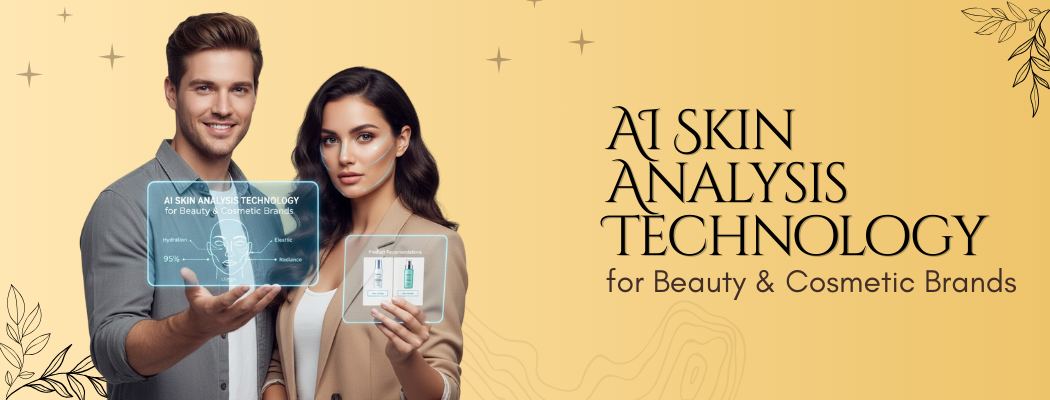
The beauty and cosmetic industry is experiencing a digital transformation, with artificial intelligence leading the charge. AI-powered skin analysis technology has emerged as a game-changing tool that's revolutionizing how brands interact with customers, deliver personalized recommendations, and build lasting relationships. This technology is no longer a futuristic concept—it's here, and it's reshaping the entire customer experience in profound ways.
Understanding AI Skin Analysis
AI skin analysis uses advanced computer vision and machine learning algorithms to evaluate skin conditions with remarkable accuracy. By analyzing photographs taken with smartphones or in-store devices, these systems can detect and assess various skin concerns, including wrinkles, fine lines, dark spots, pores, texture irregularities, redness, acne, and hydration levels.
The technology works by comparing the analyzed image against vast databases of skin conditions and types, identifying patterns that might be invisible to the naked eye. Modern AI systems can even predict future skin conditions based on current state, lifestyle factors, and environmental influences, offering users unprecedented insights into their skincare needs.
Personalization at Scale
One of the most significant advantages AI skin analysis brings to beauty brands is the ability to offer truly personalized recommendations at scale. Traditional skincare consultations require trained professionals and can serve only a limited number of customers. AI eliminates these constraints, providing instant, accurate assessments to thousands of customers simultaneously.
When a customer uploads their photo, the AI analyzes their unique skin profile and recommends products specifically suited to their needs. This level of personalization was once available only through expensive dermatologist visits or high-end beauty counter consultations. Now, brands can offer this experience to every customer, regardless of location or time of day.
The impact on customer satisfaction is substantial. Studies show that consumers who receive personalized product recommendations are significantly more likely to make purchases and remain loyal to brands. They appreciate the tailored approach and feel confident that the products they're buying will actually address their specific concerns.
Building Customer Trust and Engagement
Trust is paramount in the beauty industry, where consumers invest both money and hope in products promising visible results. AI skin analysis builds this trust by providing objective, data-driven assessments rather than relying solely on marketing claims or generic advice.
The transparency of the analysis process—showing customers exactly what the AI detects and why certain products are recommended—creates a sense of authenticity. Customers can see their skin concerns visualized and tracked over time, turning their skincare journey into a measurable, goal-oriented experience.
Furthermore, the interactive nature of AI skin analysis increases engagement. Customers can track their progress through before-and-after comparisons, receive reminders for skin checks, and adjust their routines based on seasonal changes or lifestyle shifts. This ongoing relationship keeps brands top-of-mind and encourages repeat purchases.
Reducing Returns and Increasing Conversions
Product returns represent a significant cost for beauty brands, often resulting from customers purchasing items that don't suit their skin type or fail to address their specific concerns. AI skin analysis dramatically reduces these returns by ensuring customers select appropriate products from the start.
When customers feel confident in their purchases—backed by scientific analysis rather than guesswork—they're more likely to complete transactions. Conversion rates for brands implementing AI skin analysis have shown impressive improvements, with some reporting increases of 30% or more in their online channels.
The technology also reduces the barrier to entry for online beauty shopping. Many consumers hesitate to buy skincare products online because they can't test them or receive professional advice. AI skin analysis bridges this gap, providing the guidance customers need to shop confidently from anywhere.
Competitive Differentiation
As the beauty industry becomes increasingly saturated, brands need distinctive features that set them apart. AI skin analysis serves as a powerful differentiator, positioning brands as innovative, customer-centric, and scientifically advanced.
Companies like L'Oréal, Estée Lauder, and Sephora have already embraced this technology, launching AI-powered apps and in-store experiences that attract tech-savvy consumers. Smaller brands can also leverage AI skin analysis through partnerships with technology providers, leveling the playing field and competing with industry giants on innovation.
The technology also opens new marketing opportunities. Brands can create engaging social media campaigns around skin analysis, offer virtual try-ons, and develop educational content based on aggregated skin data trends. These initiatives generate buzz, drive traffic, and position the brand as an industry leader.
Data-Driven Product Development
Beyond customer-facing benefits, AI skin analysis provides beauty brands with invaluable data for product development. By analyzing thousands of skin assessments, brands gain insights into the most common concerns among their target demographics, emerging skin issues, and gaps in their product lines.
This data enables brands to develop products that truly meet market needs rather than relying on assumptions. They can identify which ingredients perform best for specific concerns, which product formats customers prefer, and which price points resonate with different segments.
The predictive capabilities of AI also help brands stay ahead of trends. By analyzing patterns in skin conditions across regions, seasons, and age groups, companies can anticipate future demand and develop innovative solutions before competitors recognize the opportunity.
Implementation Considerations
While the benefits are clear, beauty brands must approach AI skin analysis implementation thoughtfully. Data privacy is paramount—customers need assurance that their photos and skin data are securely stored and never shared without consent. Transparent privacy policies and compliance with regulations like GDPR are essential.
Accuracy is another critical factor. The AI system must be trained on diverse datasets representing various skin tones, types, and conditions to avoid bias and ensure reliable results for all users. Brands should partner with reputable technology providers who prioritize inclusivity and regularly validate their algorithms.
User experience matters tremendously. The analysis process should be simple, quick, and provide clear, actionable results. Overly complex interfaces or confusing recommendations will frustrate customers rather than delight them.
The Future of Beauty Tech
AI skin analysis represents just the beginning of beauty technology's evolution. Future developments will likely include integration with wearable devices for continuous skin monitoring, augmented reality features for virtual product testing, and even more sophisticated predictive analytics.
Brands that embrace this technology now position themselves at the forefront of the industry's digital transformation. They demonstrate commitment to innovation, customer care, and scientific excellence—qualities that resonate deeply with modern consumers.
Conclusion
AI skin analysis technology offers beauty and cosmetic brands a powerful tool for enhancing customer experiences, driving sales, and building competitive advantage. By delivering personalized recommendations, building trust through data-driven insights, and creating engaging digital experiences, this technology transforms how consumers discover and purchase skincare products. As the beauty industry continues evolving, AI skin analysis will become not just an advantage but an expectation, making early adoption crucial for brands seeking long-term success.